



Assist with wildlife care and conservation
Ready to gain invaluable hands-on experience in conservation and wildlife veterinary care? Join our team for a one-of-a-kind internship combining wildlife conservation and research with veterinary and rehabilitation work at the Wildlife Rescue Centre in Lawachara National Park, Bangladesh,
Working alongside our resident veterinarian and conservation team, you will contribute to wildlife monitoring, rescue, rehabilitation, and conservation of gibbons, langurs, fishing cats, pangolins, tortoises, and other species. From radio telemetry and camera trapping to animal care, health assessments, and release preparation, you’ll gain practical experience across multiple aspects of wildlife conservation!
This internship offers an opportunity to develop field, veterinary, and conservation skills while working in one of Bangladesh’s most biodiverse landscapes. Alongside your practical training, we also organize excursions and cultural activities to help you experience the region beyond the centre.
Please note: Interns are required to have up-to-date vaccinations for Hepatitis, Tetanus, and Tuberculosis (or provide a negative TB screening test). Rabies vaccination is optional but recommended.
Your responsibilities & learning opportunities
- Wildlife monitoring: Support field monitoring of pangolins, tortoises, and other focal species using VHF radio telemetry, conservation detection dog surveys, camera trapping, and field surveys.
- Community engagement: Supporting outreach with local communities, including community livestock support
- Veterinary Support: Work with the veterinarian and assist with veterinary procedures.
- Animal Care & Welfare: Observe animal nutrition and behaviour, report any unusual changes in behaviour to managers or veterinarians, provide specialised care for sick or orphaned animals, and assist with safe animal handling.
- Skill Development: Enhance your clinical proficiency in wildlife health, strengthen record and data management skills, and deepen your understanding of safety protocols.
- Rehabilitation Focus: Assist with rehabilitation protocols for rescued animals.
- Operational Support: Ensure strict hygiene and biosecurity measures and maintain meticulous veterinary records.
- Work Schedule: Expect to work approximately 40 hours per week, with additional response to emergencies.
- Academic Support: We support your academic assignments and can suggest relevant projects, with qualified on-site mentors guiding your learning.
Fill out the form below for instant access to view, download, or share your document.
♥ FULL-TIME, VOLUNTEER BASIS
♥ DURATION: 4-12 WEEKS
♥ LOCATION: NORTHEAST BANGLADESH
♥ TRAINING PROVIDED
♥ PROFESSIONAL VET CLINIC
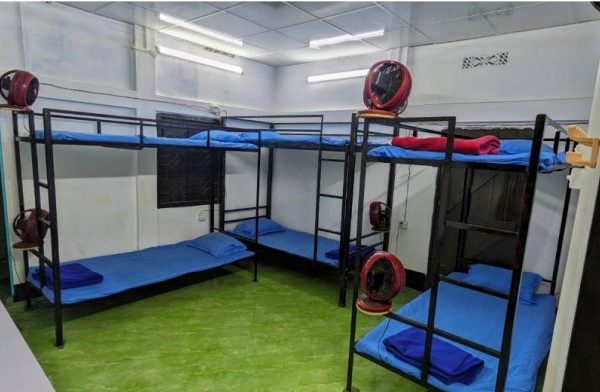
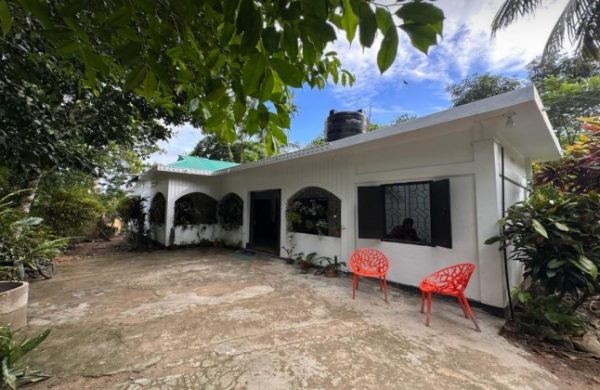
♥ US$ 750/ 4 weeks (ACCOMMODATION & FOOD)
Please get in touch if you have any questions
[email protected]
a really amazing experience for the young environmentalists”
T. Chowdhury (2025)


Explore Lawachara and Sreemangal: A naturalist's haven
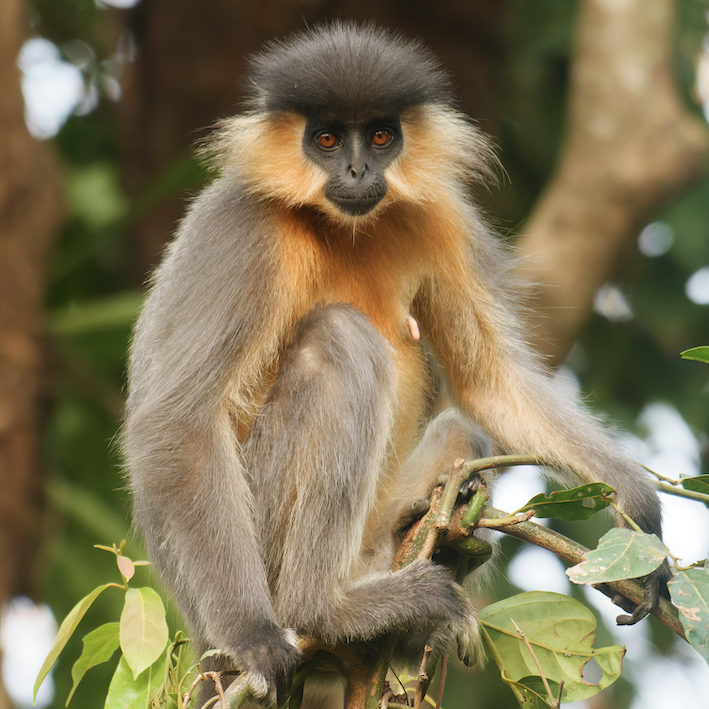
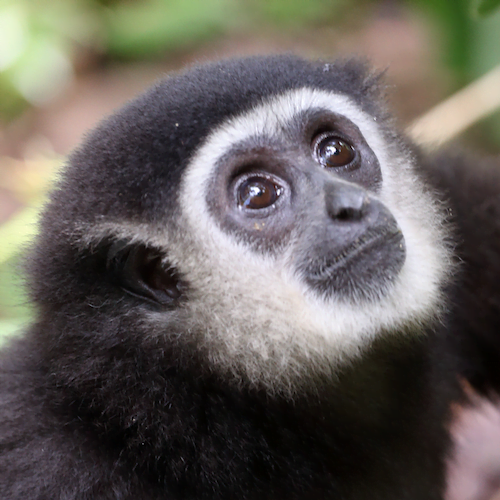
Nestled in northeastern Bangladesh, Lawachara National Park and the surrounding Sreemangal area offer a fascinating natural classroom for young environmentalists. This region is a vital part of the Indo-Burma Biodiversity Hotspot, home to critically endangered species like the Western Hoolock Gibbon and Capped Langur, alongside pangolins, diverse birds, and reptiles. The park’s semi-evergreen and mixed deciduous forests provide essential habitats, which you can explore via well-maintained trails.
Beyond the forest, Sreemangal is famous for its rolling tea gardens, offering scenic beauty and the unique experience of a “seven-layer tea” at local cabins. You can also visit Madhabpur Lake, a beautiful spot often adorned with water lilies, and the tranquil Baikka Beel wetland sanctuary, a haven for migratory birds. Visiting offers a direct look at the challenges and triumphs of conservation efforts in a highly threatened yet incredibly rich natural landscape.

Complete the form to get the download link for
the Essential Guide to Conservation Internships
Ignite your passion for conservation! Your definitive guide to Malaysian wildlife internships is here. We’ve answered all your questions, so you can focus on the adventure and impact. Discover incredible opportunities and make a real difference!”
START DATES:
This project accepts interns throughout the year.
MINIMUM AGE FOR THIS PROJECT: 18 years