
saving wildlife through volunteering and education DONATE

Feedback from our eco-travellers who told us of their experiences via personal email

It was a really amazing and practical experience

It was a really amazing and practical experience that closely followed the detailed program of the internship that was shared with me beforehand. On the side of rehabilitation and habitat restoration, I was actively involved in the #Plant4Tawau project, where I helped plant a wide range of fig trees from the Ficus family. This work aimed to connect broken forest areas, offer important food sources for hornbills and gibbons, and create a living gene bank that future researchers can use.

Besides doing fieldwork, I also helped with education and community activities by creating posters to promote our projects and by supporting hands-on learning sessions that aim to inspire young people to take care of the environment. My work also included helping with wildlife protection and rescue, where I got to take part in saving animals, for instance, Trenggiling, which is a type of pangolin, and I saw many different wild animals living happily in their natural homes.
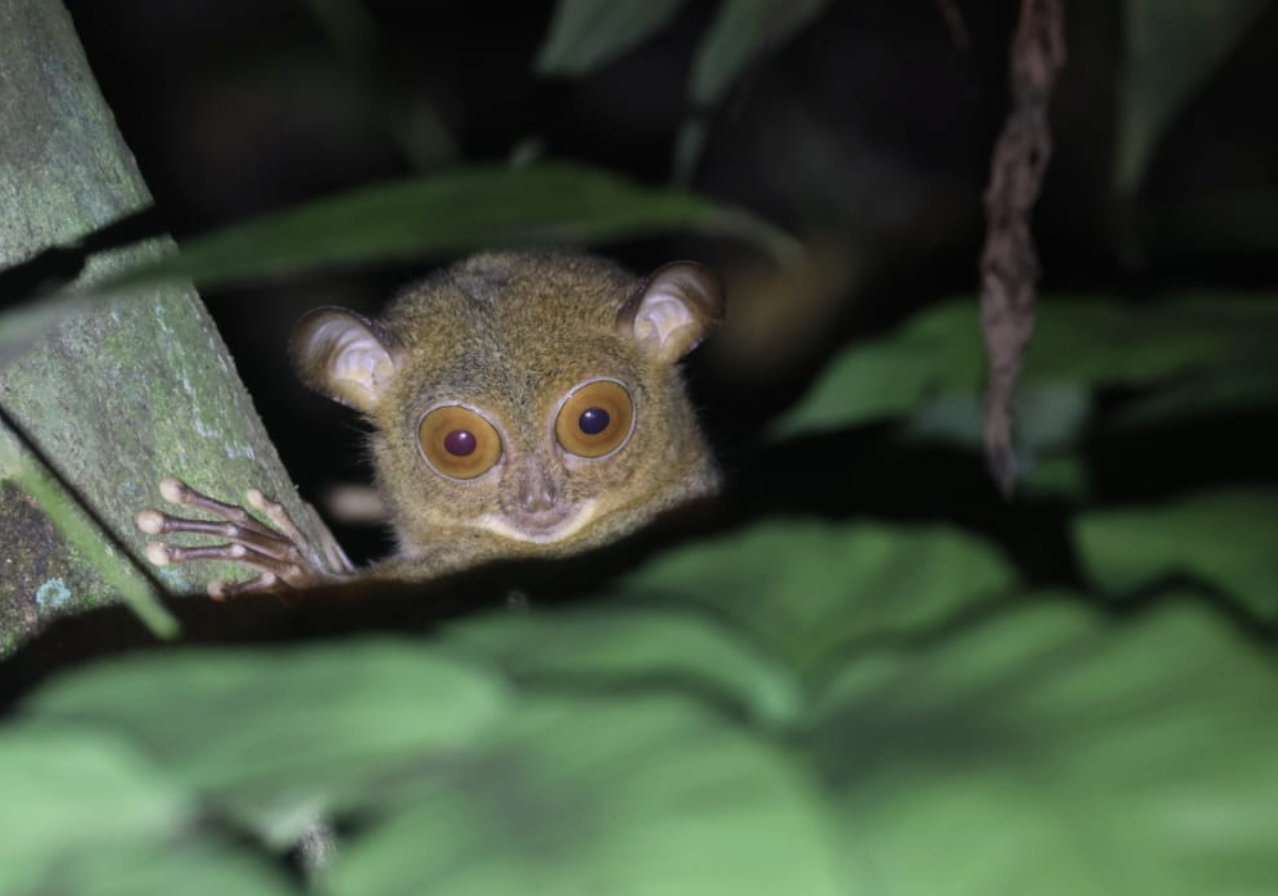
To help local conservation efforts and promote the green economy, I helped eco-tourists by sharing my personal experiences and knowledge through regular Facebook posts about my adventures in Borneo. While working hard, I also took time to explore and see the amazing natural beauty of the area. I visited famous places like waterfalls and the tallest tropical trees in the world, went on an elephant tour, and even saw Irrawaddy dolphins during a trip along the coast.
Ultimate Naturalist Borneo Tour
That was a really fantastic and unforgettable trip!! All the staff are kind and professional. I learned a lot about reef conservation and fish ID from activities. 
 
And I made friends with other volunteers (I will dive in Tioman with one of them next month), they are all nice, we exchanged our experiences and cultural traditions, relaxy and funny!! Thanks to all of you!
 
Kind regards,
David.
Conservation diving
Back To Top