
Experience Borneo as a Orangutan Rescue Volunteer
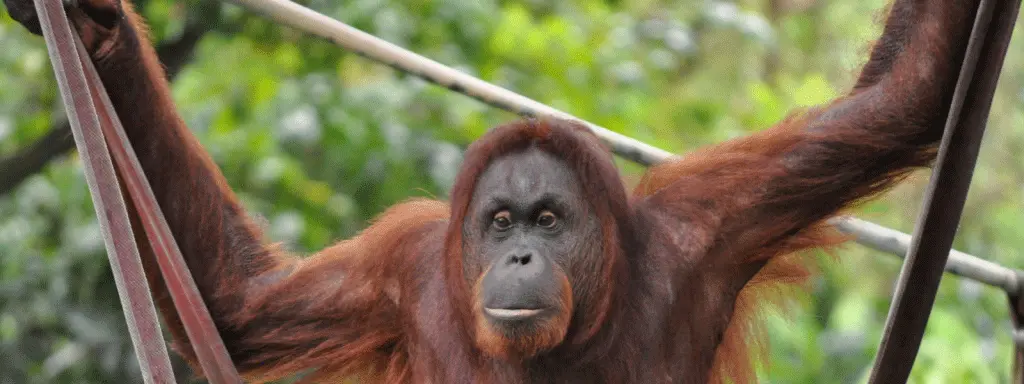 Become a volunteer at the award-winning orangutan project at this Wildlife Rescue Centre in Sarawak on Borneo Island. The centre is set against the backdrop of the magnificent Kubah National Park, but this rainforest and surrounding areas are constantly under threat of deforestation and fires. The additional pressure from the illegal wildlife trade means that many wildlife species are endangered, including the iconic Bornean orangutan.
Hands-on work to improve the lives of the animals
The centre serves as a sanctuary for orangutans which have been injured, orphaned or rescued from these multiple threats. Volunteers are therefore very welcome to support the staff in looking after these rescued animals. Be aware that the work is not a photo opportunity to pose with baby animals, but involves active labour and a hands-on approach to assist with animal husbandry, construction projects and enrichment activities for the resident animals.
• INCLUDES ACCOMMODATION, MEALS AND ALL ACTIVITIES with Staff Supervision.
• MINIMUM AGE: 18 and above
• DURATION: 1, 2 or 4 weeks
• OPERATION: All year round
VOLUNTEERING ACTIVITIES:
♥ CARING FOR RESCUED ORANGUTANS AND OTHER WILDLIFE
♥ ANIMAL ENRICHMENT and CONSTRUCTION
♥ LOCAL SARAWAK EXCURSIONS
From RM 3,200 or £565*
Last minute discounts available
ACTIVITIES AND ITINERARY
Project activities
Enrichment
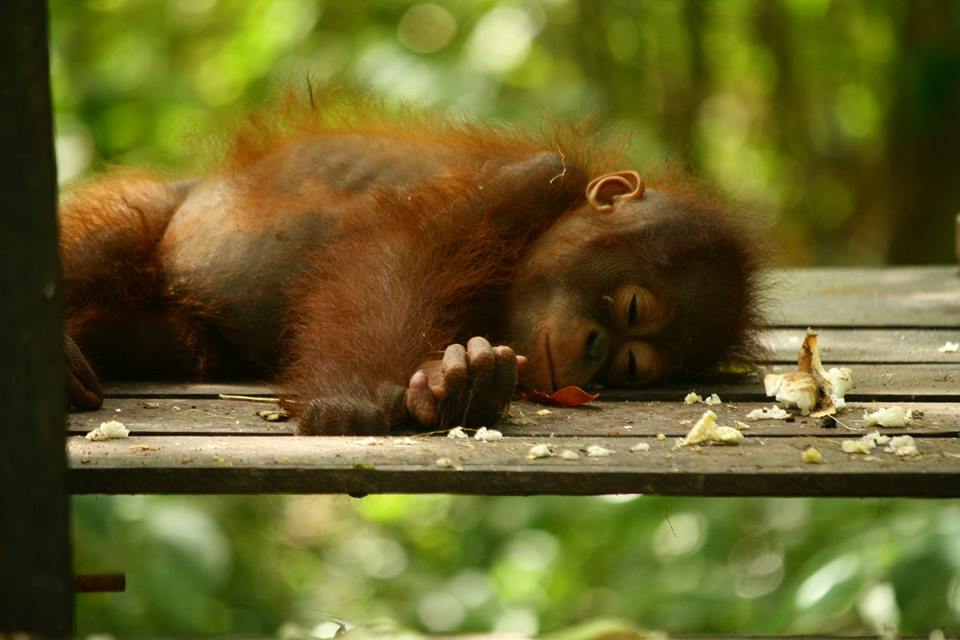
A major part of this project is creating enrichment. This is the process of providing the animals with stimulating environments, where they are provided with items and surroundings that encourage and promote natural behaviour. This will enhance the potential for release as well as improve the lives of the animals at the centre.
Husbandry
Another big part of the work on this project is husbandry for the orangutans, sun bears, macaques, binturongs and other animals. This includes feeding the animals as well as cleaning the wildlife cages and enclosures, an essential part of any wildlife centre.
Construction
Small construction tasks can also be part of this project as it is through these that the centre can continue to grow. The centre is then able to accept more animals and hopes to be able to rehabilitate and release as many as possible. In the past, volunteers have been involved with the building of aviaries, gibbon cages, feeding platforms in the forest, boardwalks around the park and ranger stations in the national park.
Maintenance
As you can imagine, maintenance is an ongoing task, and so you may be needed to help with painting, cleaning, varnishing, and gardening, and there is always work to be done!
Organic Farming
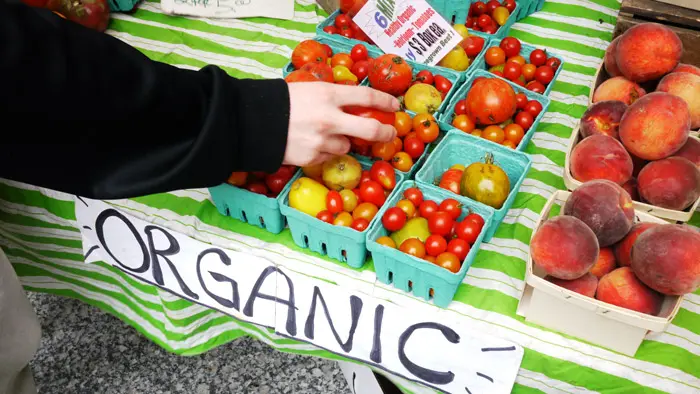
Over the past few years, volunteers have helped create an organic farm to grow food for the animals at the centre to enable it to become a more sustainable institution. The orangutan sanctuary is determined that the farm remain organic, and though many people keep recommending a whole host of chemicals for keeping the weeds at bay, they continue to rely on the efforts of volunteers to keep it under control. The project staff feel it is definitely a realisable dream to have this and other orangutan centres organically grow all the food they need to keep their animals alive and healthy. Tending to the farm has, therefore, become a regular job for the volunteers.
Free Time & Additional Activities
The working week is Monday to Friday, giving you the weekends off. As you will have most likely travelled a long way to reach Borneo, we always suggest taking advantage of the weekends to explore the surrounding area – including Kubah National Park and Damai Beach – either by yourself or with your fellow volunteers. You can also look at visiting a longhouse, meeting the Iban indigenous people, visiting nearby markets and social and interactive activities with locals and researchers. Interaction with the local communities is always encouraged so as to strengthen local relationships and continue to aid human animal conflict.

This project promotes high ethical standards of animal husbandry
A strict NO CONTACT policy is implemented at the centre. In contrast to some other rescue centres, where volunteers are able to hug orangutan babies. It’s understandable that volunteers want those ‘selfie’ moments. However, it’s not in the interest of the apes. So this centre sets an admirable example to raise standards. Concern for the rescued animals must be the priority.
The reality is that close contact between humans and primates can be very harmful. There are 2 main risks:
Zoonosis means passing disease between humans and animals
Because great apes are genetically so similar to us, the risk of zoonosis is very real. In fact, some illnesses or infections are more damaging to apes than to humans. This applies even more in the case of baby orangutans. They were orphaned at a young age, so they have not yet built up enough immunity. Especially given that they have not been able to benefit from their mother’s milk. So they are particularly at risk.
Furthermore, if primates have been exposed to zoonosis, then their chance of release into the wild is less. This is because international guidelines for rewilding consider such animals to be a risk to healthy populations in the wild.
Habituation to humans and related behaviour issues
In normal circumstances, an orphaned child is provided with long-term, consistent care. Cases where such orphans are subjected to multiple carers for short durations are always considered bad for emotional development. Well, the same applies to ape orphans. They also need consistent nurturing care. That is why the primary caregivers should be the long-term local staff.

Importantly, primates should be allowed to develop their natural arboreal behaviour. This means their life is up in the trees. Humans cannot teach this fundamental behaviour. So the animals need to be allowed to go into the forest as much as possible.
Due to their high intelligence, great apes can easily imitate many human behaviours, such as brushing their teeth or smoking cigarettes. Again, this reduces the chance of such apes getting back to their natural life in the forest. So the main focus must remain to stimulate natural arboreal behaviour.
For this reason, the centre encourages the highest husbandry standards. This includes responsible interaction and good quality enrichment.
HOW TO BOOK

PRICING FOR INTERNATIONAL BOOKINGS
Limited start dates available! £565*
Equivalent to: £940*
Equivalent to: £1,550*
*All prices are in Rm Malaysian Ringgit (MYR), so please use a currency converter to know the exact price in your own currency.
our prices for this project are the LOWEST ONLINE!


START DATES:
5th and 19th of every month
MINIMUM AGE FOR THIS PROJECT: 18 years
MINIMUM GROUP SIZE: 10-12 Volunteers